September is Happy Healthy Cat Month, and what better way to celebrate our cats than by learning a little more about their health and wellness? So, we’re talking about something that can be easy to overlook: hydration!
Out of my friend's three cats, she has two who are not entirely enthusiastic water drinkers. Actually most cats naturally have a low thirst drive. Cats evolved getting most of the moisture they needed from their food, so our modern house cats may not always make up for a low-moisture diet by simply drinking more.
That's one reason why paying attention to hydration is important for cats. Water plays a role in nearly every part of the body, from digestion and circulation to normal kidney and urinary function. While good hydration can't prevent every health problem, helping your cat get enough moisture is an easy way to support their overall health.
Why Might a Cat Not Be Drinking Enough?
Our house cats primarily descended from desert cats, most specifically the African Wildcat (F. lybica). Living in the desert meant that water was a scarce resource so these cats got most of their moisture from the prey they caught. This combination of dry environment and prey feeding allowed them to evolve with a low thirst drive!

Cats can also be surprisingly particular about how, where, and even what they drink from! A cat may drink less because they don't like the location of their water bowl, their bowl is too close to their food or litter box, or they prefer moving water.
Diet can also make a big difference. Wet, fresh, and raw foods naturally contain much more moisture than dry kibble. Cats eating primarily dry food would need to get more of their daily water intake from drinking, while cats eating moisture-rich foods may naturally drink less from their water bowl.
The important thing is to learn what's normal for your cat. A noticeable change in how much they're drinking, eating, or using the litter box can sometimes indicate a health problem and is worth discussing with your vet.
How Do I Know If My Cat Is Dehydrated?
Since cats aren't always big water drinkers, it can be difficult to tell when they aren't getting enough. Knowing what's normal for your cat is important, but there are a few signs that may indicate they need more hydration.
Keep an eye out for:
- Dry or sticky gums
- Low energy or unusual tiredness
- Decreased appetite
- Changes in their litter box habits
- Sunken-looking eyes
- Skin that doesn't quickly return to place when gently lifted
Keep in mind that these signs can have many different causes, and dehydration can sometimes be a sign of an underlying health problem. If your cat seems unwell, stops eating or drinking, or you notice a sudden change in their habits, it's always best to check in with your vet.
Now our domestic house cats are not in the desert hunting for animals everyday but they still have a low thrist drive. We also know what to look out for if they do get dehydrated, so what can we do about our cats' hydration?
4 Fun Ways to Boost Your Cat's Hydration
1. Make Their Water More Exciting
If your cat ignores their water bowl, try switching things up! Some cats prefer wide, shallow bowls that don't rub against their whiskers, while others prefer moving water and drinking from a fountain.
You can also experiment with placing a few different water bowls around the house. Your cat might surprise you by completely ignoring the beautiful bowl next to their food while happily drinking out of one you put across the room. Most cats actually like their water bowl away from their food and usually in an open area so they can see the room. Make sure it’s away from the litter box since cats will avoid drinking or eating near the litter box.
2. Add Some High Moisture Food
One of the easiest ways to sneak more moisture into your cat's day is through their food. You don't have to completely change their diet, either!
If your cat primarily eats kibble, try adding a spoonful of canned, gently cooked, raw, or other moisture-rich food as a topper. Even incorporating a little wet food into their normal routine can be an easy way to add some extra moisture while giving them a fun change of texture and flavor. Canned foods come in a variety of textures. A mousse texture is going to be the most similar to lickable treats if they have liked those in the past. Some brands even have fun combinations such as the Fussie Cat goat milk line which offers a variety of shredded proteins in a goat milk gravy. The Fussie Cat goat milk line offers a fun texture, added moisture, and the digestive benefits of goat’s milk.
Typically wet and fresh foods are cooked at a lower temperature than dry kibble so they’ll be more nutrient rich and enticing as a topper. If you’re thinking of topping with raw but don’t want something frozen get freeze-dried since it easily rehydrates in water! My friend’s catss love the Northwest Naturals Freeze-Dried beef & trout food since red meat isn’t typically in cat food it makes it all the more enticing. Adding premade wet food toppers to your cats diet will not only give them moisture but more variety, so it can even be a solution when they’re picky.
3. Just Add Water!
It really can be that simple. Try mixing a little warm water into your cat's normal food. You can add water on top of kibble to soften it up some, on top of canned, or to rehydrate raw food. Adding the water to their bowl of food is an easy way to measure how much water they're drinking!
Start small, especially if you have a picky cat. Adding too much water all at once can turn their favorite dinner into a suspicious bowl of soup. A small splash lets them adjust to the new texture while adding a little extra moisture to every meal.
4. Broths, Pumpkin, and Goat’s Milk
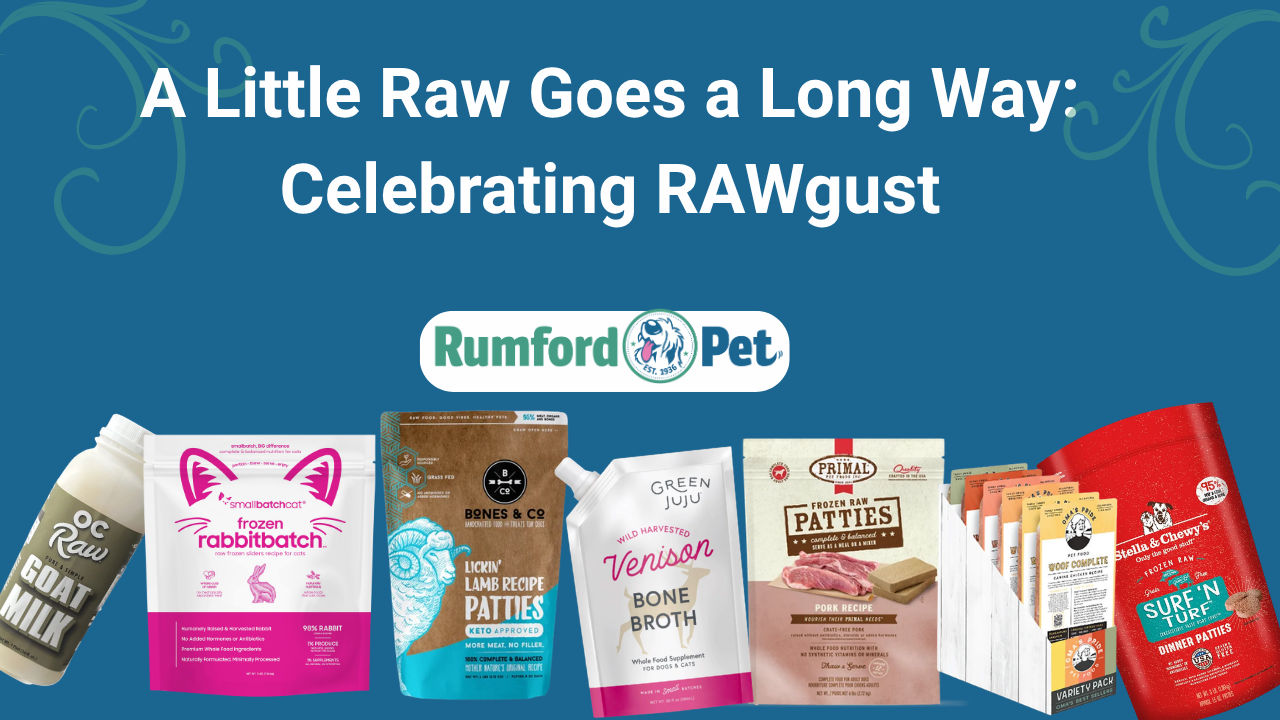
Plain water isn't your only option! Adding a small amount of pet-safe bone broth (like Green Juju or Open Farm) or another pet-safe hydrating topper such as pumpkin pouches, or goat’s milk. All of these toppers will also have other benefits to their wellness since bone broth is gentle on sensitive stomach, pumpkin adds fiber for digestive upset and hairballs, and goat’s milk has naturally occurring probiotics. It’s a double whammy with these toppers to boost you cat's overall wellness.
You can even experiment with freezing one of these toppers diluted with some water in an ice cube tray for a fun treat! Make sure any broth, pumpkin, or goat’s milk you use is formulated for pets! It shouldn’t contain ingredients like sugar, onion, or garlic.
A Little Extra Moisture Can Go a Long Way
Keeping your cat hydrated doesn't have to mean completely changing their diet or convincing a stubborn cat to suddenly fall in love with their water bowl. Small changes like adding a splash of water at mealtime, incorporating wet food, offering pet-safe broth, or trying a fountain can make a big difference for your cat's hydration and overall wellness.
Every cat is different, so don't be afraid to experiment and find out what makes your cat excited!